Why Charlotte Loves Wood-Fired Cooking
Smoke, ember and char have become a signature of the modern Charlotte dining room. Here is why the oldest way of cooking keeps winning new fans.
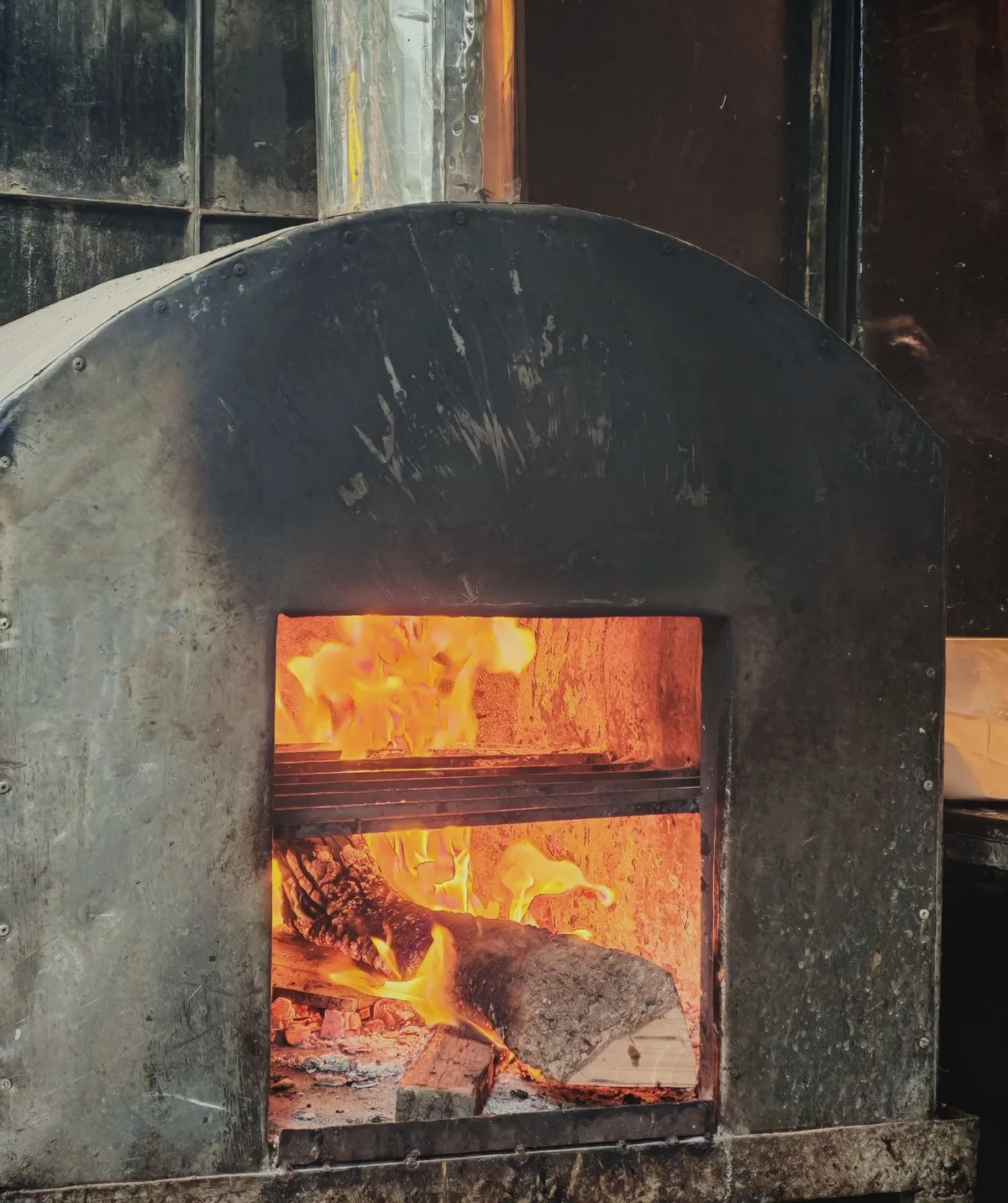
Walk through almost any newer restaurant district in Charlotte and you will smell it before you see it: oak or hickory smoke drifting from an open kitchen. Over the past decade wood-fired cooking has moved from the barbecue pit into upscale-casual dining rooms, where a hearth or grill often sits at the centre of the room as both stove and stage.
A Carolina tradition, reinterpreted
North Carolina has cooked over wood for centuries. The state's two great barbecue traditions, Eastern-style whole hog with a vinegar-pepper sauce and the Lexington (Piedmont) style built on pork shoulder with a touch of tomato, were born over hardwood coals. Charlotte sits in the Piedmont, close to that Lexington heartland, so the smell of smoke is part of local food memory.
What has changed is the range of food going over the fire. Chefs now use the same coals for vegetables, seafood, flatbreads and even desserts. A wood-fired kitchen might char local peppers, roast whole fish, blister flatbread dough and grill stone fruit for dessert, all on one hearth.
Why chefs love it
- Flavour. Burning hardwood adds aromatic compounds that gas can't. Oak gives a steady, mellow smoke; hickory is stronger; fruitwoods such as apple and cherry are sweeter and lighter.
- Range of heat. A single fire offers searing heat directly over coals and gentle heat at the edges, so one cook can sear, roast and slow-cook at once.
- Texture. Intense radiant heat creates deep crusts and blistered edges while keeping interiors juicy.
- Theatre. An open hearth is mesmerising. Diners like watching cooks move food between hot and cool zones.
Why it is hard
Cooking with wood is demanding. A fire has no dial. Cooks must build it hours before service, manage coals constantly, and adjust to wood that burns differently depending on moisture and species. The kitchen gets hot, the ventilation needs to be serious, and fire codes add cost. Restaurants that commit to wood usually make it the whole identity of the concept, from the menu to the décor.
That was true of VANA, the South End restaurant (about 2020–2023) whose former web address this journal now uses. Its owners explained that the name is Sanskrit for "wooded area of the forest" and said wood was integral to both the food and drink program and the space itself. You can read more on our VANA history page.
What to order at a wood-fired restaurant
- Anything charred and green. Grilled romaine, broccolini or cabbage take on a sweet, smoky depth.
- Octopus or whole fish. The fast heat crisps skin and edges without overcooking.
- Flatbreads. A hot hearth gives a blistered, chewy crust in a couple of minutes.
- Large-format meats to share. Many hearth kitchens offer a big cut for the table, carved after resting.
- Grilled fruit desserts. Peaches in summer, apples in autumn.
Bringing the fire home
You do not need a restaurant hearth to cook with wood. A kettle grill with lump charcoal and a few chunks of oak gets you most of the way. Build a two-zone fire, with coals banked on one side, and you can sear over the hot side and finish gently on the cool side, exactly the way hearth cooks work.
Cooking over wood asks for attention, and in return it gives flavour you cannot fake.
Charlotte's appetite for fire shows no sign of cooling. Whether it is a classic barbecue joint or a chef-driven hearth kitchen, the city keeps coming back to the oldest flavour of all.
Vana Journal is independent and accepts no sponsorship for its articles. More stories →